

‘Sink Holes on Seawalls’ Spark North Sydney Bid for Rate Hike

Councils across Sydney and wider NSW are lining up for rate rises beyond the cap, led by North Sydney’s bid for a 52.66 per cent hike by 2029.
The Independent Pricing and Regulatory Tribunal has opened consultation on the applications from 10 councils, including North Sydney, Ku-ring-gai, and Blacktown in Sydney.
The increase is required to address a long-standing underfunding of infrastructure, according to North Sydney Council’s application, and prevent a backlog of works from growing any further.
At the start of the 2025-26 financial year, North Sydney had a $157-million backlog of stormwater, building and other infrastructure works.
An application for a rates variation from the council in the year prior was rejected in May 2025. That application sought an increase of 87.05 per cent over two years but the council was limited to the rate peg of 4 per cent.
The council argues that asset failures are already producing risks to the public and are unable to be properly addressed, leaving “fencing erected around sink holes on seawalls and temporary steel reinforcement structures supporting bus shelters”.
If the rate variation were granted, additional revenue of $62 million would be expected over the first three years, and $278 million over the next decade.
Under the proposed plan, North Sydney rates would increase by $452 annually. According to the application, the average ratepayer is currently liable for a bill of $1052 each year, about 35-40 per cent lower than in neighbouring councils.
About $40 million over the next decade would be hypothecated to support infrastructure build through Developer Contributions Plans, but additional funds would be required. The council is floating the idea of redevelopment of public property, or loan funding, to cover the gap.
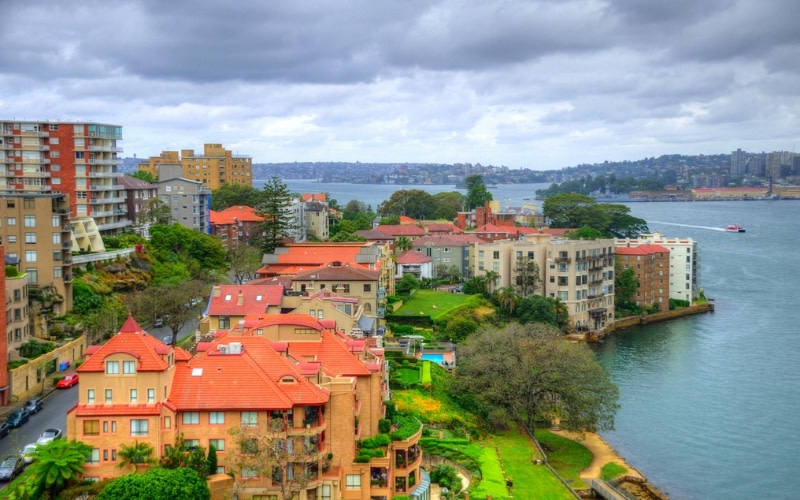
While the North Sydney council and community have at times been tepid about complex projects, proponents have sometimes sought pathways through state approval processes or courts.
In September 2025, the NSW government also announced a “carrot and stick” approach to incentivising faster approvals through councils, including up to $200 million available for local infrastructure projects.
Meanwhile, Ku-ring-gai has applied for a 24.66 per cent increase in the 2026-27 financial year, above the 4.4 per cent rate peg set for the area by IPART. Blacktown is seeking a cumulative 37.39 per cent increase by 2029.
According to the Ku-ring-gai council, about 250km of streets require new footpaths, and more than 40 per cent of stormwater assets are in unsatisfactory condition.
Without a variation to rates, the Ku-ring-gai application argues, the infrastructure backlog will grow by 42 per cent over the next decade. However, with the additional revenue from a rates increase, the backlog can be reduced by 39 per cent.
The Central Coast, Ballina, and Hawkesbury were among regional councils to apply for rates variations.


It’ll Take Gymnastics to Deliver in this Market, Sydney Warned

From Ocean Waste to Housing Fix: Hyperion’s 3D Printing Pivot

Contractor Payment Changes Have Victorian Developers on Back Foot

Glenn Piper’s $60m Hook Island Reboot Leads Whitsunday Awakening


