

Finding the ‘Right Mix’ to Help Developments Stack Up

“We’ll get a developer who says a project isn’t feasible and we’ll figure out how to make it stack up.”
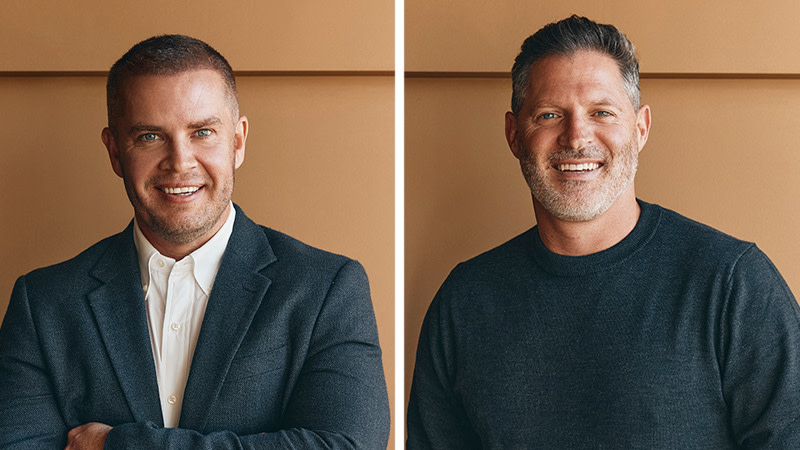
If YPM Group managing director Bryce O’Connor could put what his business does in a nutshell, that would be it.
The Brisbane-based project marketing firm has built a $7-billion sales track record over 12 years by identifying revenue issues and project problems before developers see them.
Developers often approach YPM Group with projects that no longer stack up financially, asking the firm to salvage what appears unsalvageable.
“We often hear ‘this project doesn’t work anymore. We need this much revenue to make it work’, so that’s what we do. We figure it out,” he told The Urban Developer.
In one recent case, O’Connor saw an opportunity to re-configure a luxury offering within a multi-tower development to a location where premium spaces would be in most demand.
“The apartment mix was fundamentally wrong,” he said. “By restructuring it and repositioning the premium product, we were able to unlock an enormous amount of additional revenue.”
That level of analysis requires diving into details most firms overlook.
“It’s easy to take a blunt approach to feasibility and apply flat pricing across an entire development,” O’Connor said.
YPM Group instead examines parking allocations, view lines, apartment layouts and revenue distribution to identify where value sits within a building.
“That’s where the real value—or the real risk—sits,” he said.
A development might be 50 carparks short of supporting premium pricing on upper floors. Apartment mixes might not align with what buyers want in that specific market. Revenue assumptions might ignore how view corridors change building value from floor to floor.
Getting those details right separates projects that proceed from those that stall, O’Connor said.
“What we do well is identify problems early—before they become revenue issues—and clearly outline what needs to change for the project to succeed.”
This early warning system stems from continuous market exposure across multiple concurrent projects.
The firm sold more than 7000 properties across 85 projects over 12 years, with 1300 properties worth $1.4 billion delivered in the past 12 months alone in the eastern capitals.
Constant market presence means YPM Group has detailed knowledge of buyer preferences, pricing movements and competitive pressures in real time rather than relying on two-year-old market analysis.
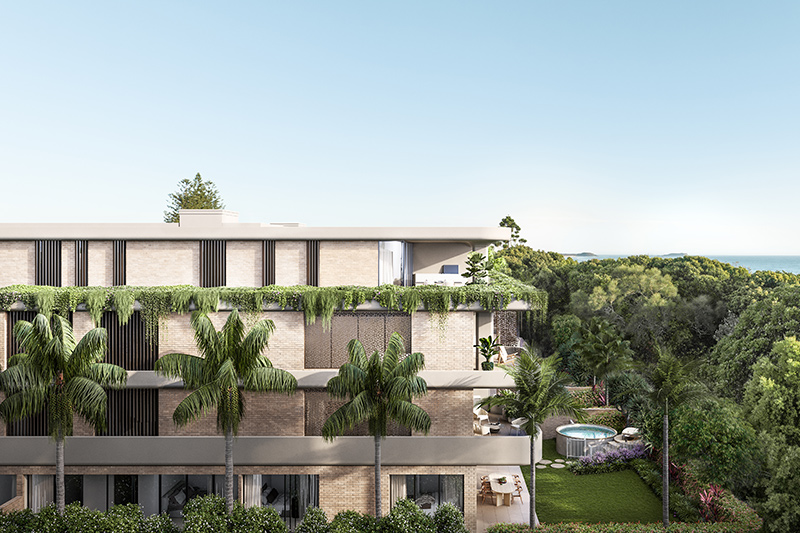
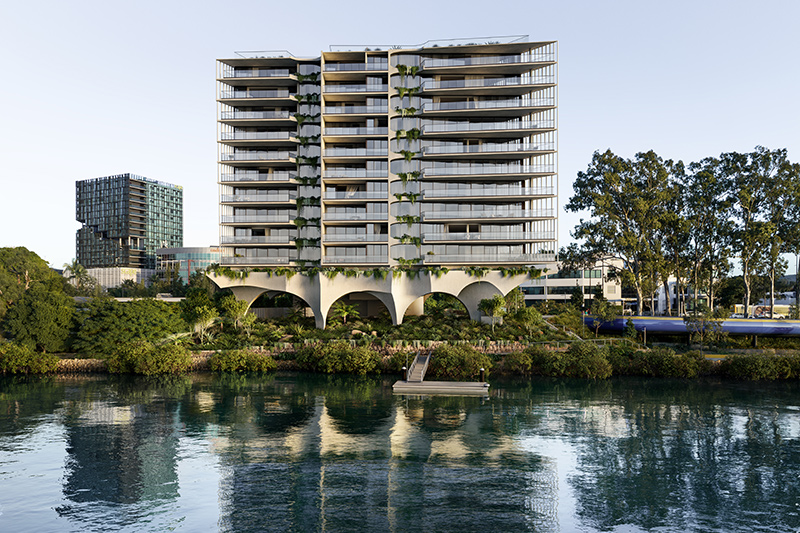
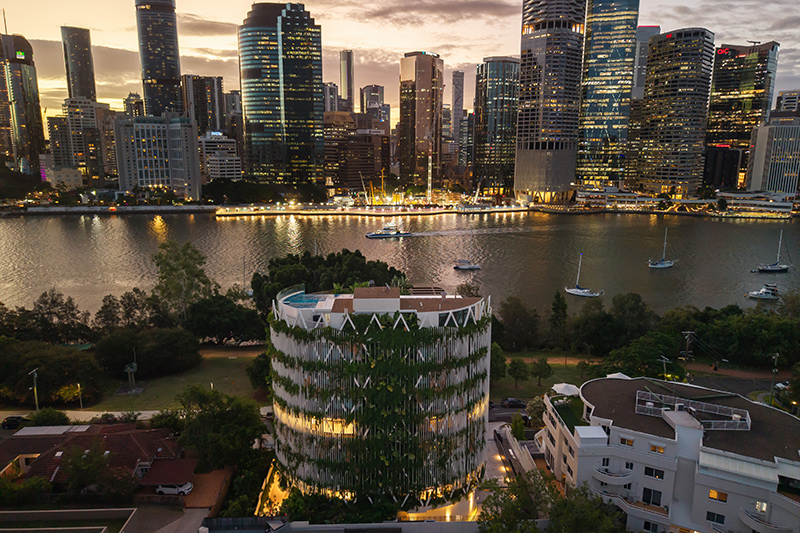
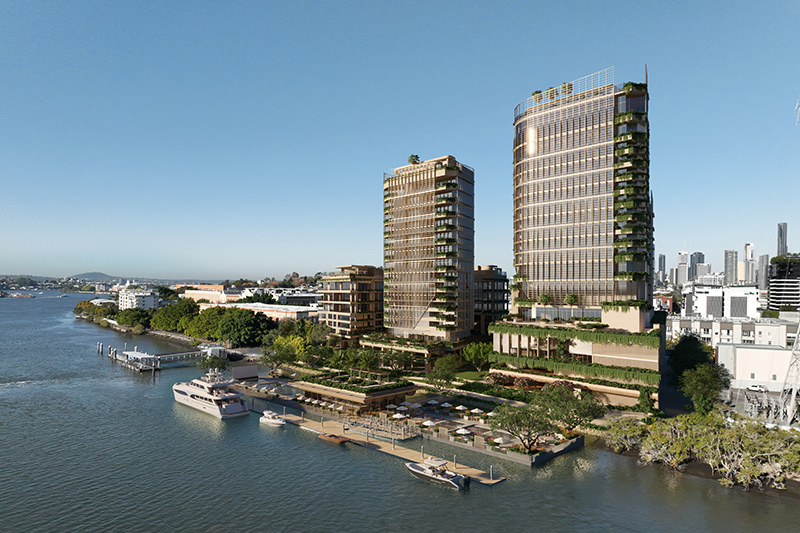
YPM Group’s client portfolio includes large-scale developments such as Queen’s Wharf and Teneriffe Banks, through to premium residential developments like Lucia Riverfront and Vila Residences in Brisbane, and Cypress Terrace, The Star Residences and Kai Kingscliff on the Gold Coast.
Some purchasers now follow YPM Group’s project selections rather than individual developers, viewing the firm’s involvement as a quality marker.
Maintaining this problem-spotting capability requires systems that free up senior leadership from “operational firefighting”.
YPM Group director and general manager Dan Kafer said the firm deliberately structured itself to avoid relying on individual rainmakers.
A 40-person multidisciplinary team handles day-to-day execution, allowing the directors to focus on strategic analysis.

1 of 5
The firm has invested heavily in proprietary software developed over 12 years that compresses week-long pricing analyses into hours.
What once required a full day to build revenue matrices now takes approximately 20 minutes.
“And it enables us to quickly find the GRV that the developer wants,” Kafer told The Urban Developer.
Speed matters when markets shift quickly. Building costs, interest rate changes and buyer sentiment can alter project feasibility within weeks. Having in-house systems means adjustments happen immediately rather than waiting on third-party providers.
“We don’t rely on anyone outside of the business to manage our system and software. It’s all in-house, it’s all internal,” Kafer said. “So, if we need to make a change, the change happens that day.”
YPM Group’s financial structure supports long-term project partnerships rather than quick transactions, often absorbing payment delays to ensure developer success rather than rushed launches that might compromise pricing.
“Clients come back to us because we’re not chasing short-term wins—we’re focused on what delivers the best outcome for the project over the long term,” O’Connor said.
YPM Group has operated continuously through multiple market cycles since 2014. That longevity stems partly from being selective about which developers it partners with.
“We hold our developers to those standards in terms of our feedback and how we expect things to be delivered,” O’Connor said. “It’s meant we’ve worked with great developers on great projects for long periods.”
The Urban Developer is proud to partner with YPM Group to deliver this article to you. In doing so, we can continue to publish our daily news, information, insights and opinion to you, our valued readers.

No Change to Status Quo Ahead, Victorian Developers Warned

Footscray Hospital’s Evidence-Based Design Sets Healthcare Benchmark

New Growth Engine: Lines Blur as Retail, Residential Mix Recalibrates

Canberra Airport Boss Calls for CBD Special Economic Zone


